

What if some of the resentment you’re carrying isn’t because someone broke an agreement… but because the agreement was never actually spoken?
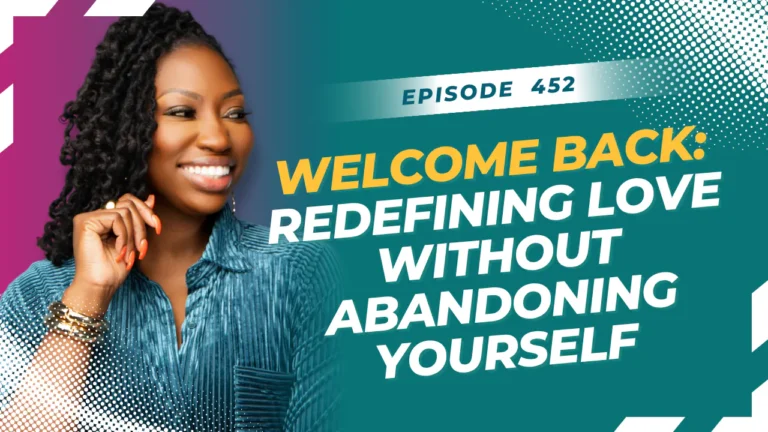
In this episode of the Redefining Wealth Podcast, Patrice Washington continues the Redefining Love 2.0 season by unpacking the silent agreements we create in relationships, families, friendships, and even at work. These are the expectations we assume other people should understand—without ever clearly communicating what we need, want, or expect.
Because people cannot honor agreements they never made. And when we keep saying yes with our behavior while feeling a big no on the inside, resentment is almost guaranteed to follow.
In This Episode, You’ll Learn:
- How silent agreements create resentment and self-abandonment
- Why “they should just know” keeps us stuck in unhealthy dynamics
- How generosity can become an unspoken contract
- Why temporary over-functioning can quietly become your permanent responsibility
- The four things every solid agreement needs: clarity, consent, capacity, and consistency
- Why communicating your needs doesn’t guarantee compatibility
- How consequences help you respond to what someone’s behavior reveals
“They Should Just Know”
One of the most common silent agreements sounds simple:
“If they really cared about me, they would know what I need.”
But expecting someone to read your mind isn’t intimacy.
Patrice challenges us to stop measuring love by how accurately someone guesses our needs and start giving people the opportunity to respond to clear communication. In the PEOPLE pillar, healthy relationships require us to actually say the things—not silently hope someone eventually figures them out.
Generosity Is Not an Unspoken Contract
Another silent agreement sounds like:
“Because I would do it for them, they should do it for me.”
But everyone doesn’t share the same values, capacity, or way of showing care.
If you give freely, let it be a gift. If reciprocity matters, be honest about that. Otherwise, generosity can quietly turn into scorekeeping—and eventually resentment.
Temporary Can Become Permanent
High-capacity people often step in because they can.
“I’ll handle it for now.”
“I’ll cover this until they get settled.”
“It’s easier if I just do it myself.”
But if you never communicate when your temporary support ends, everyone else may assume the arrangement works just fine.
This is where self-abandonment can affect the WORK pillar, too. The time and energy you say you don’t have for your vision may actually be tied up in responsibilities you picked up but never clearly put back down.
From Silent Agreements to Solid Agreements
Patrice offers four things that make an agreement solid:
Clarity. Consent. Capacity. Consistency.
Clarity asks: Did I actually say what I mean?
Consent asks: Did the other person genuinely agree?
Capacity asks: Are they actually capable of honoring the agreement?
Consistency asks: Does their behavior support what they agreed to over time?
And then there’s a fifth C: consequences.
Once you have the information, what are you willing to do with it?
Stop Forcing Agreement. Look for Alignment.
Clearly communicating what you need doesn’t mean another person is obligated to give it to you.
They may say no.
They may want to meet the need but lack the capacity.
They may agree—and then consistently fail to follow through.
That information matters.
As Patrice shares, the goal isn’t to force agreement. The goal is to look for alignment. Sometimes honest communication strengthens a relationship, and sometimes it reveals that what you need simply isn’t available there.
Do a Silent Agreement Audit
This week, Patrice challenges you to identify one area of resentment and ask:
What agreement am I operating under?
Is it silent or solid?
What am I expecting this person to know without saying it?
What am I continuing to do that I no longer want to do?
And most importantly:
Was this ever actually agreed to?
Because redefining love means having the courage to acknowledge what is true for you—and allowing other people the opportunity to show you what is actually available.
About This Season: Redefining Love 2.0
This season of Redefining Wealth is dedicated to redefining what love really means — beyond romance and into how we love ourselves, others, God, and the lives we’re creating.
We’re exploring what it looks like to love without leaving yourself behind — through relationships, self-trust, reciprocity, obedience, and the Six Pillars of Wealth. Subscribe and journey with us as we learn to love without self-abandonment and honor who we are becoming.
Start With Clarity
🧭 Take the 2-Minute Pillar Quiz to discover which pillar needs your attention in this season:
https://patricewashington.com/quiz
📱 Join the FREE Redefining Wealth App (community, book club, and weekly LIVE sessions with Patrice):
https://patricewashington.com/redefining-wealth-app/
💛 Explore Pillar Mastery
https://pillarmastery.com
🎓 Join the Waitlist to The Institute for Redefining Wealth:
https://redefiningwealth.institute/
🎟️ Join us at Redefining Wealth LIVE
www.redefiningwealthlive.com
📘 Download the Six Pillars Cheat Sheet: https://patricewashington.com/6pillars
Subscribe & Review
If this episode resonated with you, make sure you’re subscribed to the Redefining Wealth Podcast so you never miss a conversation in this season of Redefining Love 2.0.
And if this episode spoke to you, please leave a review. Your review helps more women discover conversations that support healing, alignment, and a more peaceful relationship with money.